
NCC Industry Insights & News
Food Ingredient Insights & News
Explore technical formulation guides, market trends, and industry articles curated by NCC Food Ingredients specialists.
Blog

How to Choose Salt Reduction Ingredients for Global Buyers?
Choosing Salt Reduction Ingredients for global markets is not a simple matter of replacing sodium chloride. Buyers must balance taste, nutrition, processing performance, cost, and local regulations. A blend that performs well in a European soup may taste unfamiliar in an Asian noodle seasoning.
Professor Graham MacGregor, a leading salt-reduction researcher, has stated, “Salt is the major cause of high blood pressure.” His warning gives this topic practical urgency. Yet sodium reduction cannot rely on health claims alone. Food manufacturers need measurable results, including sodium reduction percentages, clean-label expectations, allergen status, solubility, hygroscopicity, and compatibility with existing equipment.
Taste comes first.
Potential Salt Reduction Ingredients include potassium chloride, mineral salts, yeast extracts, flavor enhancers, and customized flavor systems. Each option has limits. Potassium chloride may create bitterness at higher use levels. Yeast extracts can improve savory depth, but they may conflict with vegetarian, allergen, or label requirements. Buyers should request samples, technical data, stability results, and regulatory documentation before approving a supplier.
Regional habits also matter. Consumers may accept a stronger umami profile in one market but reject it in another. Packaging claims require careful review, especially when “reduced sodium” thresholds differ between countries. These details are often underestimated.
A reliable selection process combines sensory trials, laboratory testing, pilot production, and consumer feedback. It should also examine supply continuity and batch consistency. No ingredient is perfect. Some recommendations may fail during baking, frying, or extended storage. That failure is useful. It reveals what the formula still needs before a global launch.
Read more »
 By:Sophia
- October 9, 2026
By:Sophia
- October 9, 2026

How to Choose Shelf Life Extension Ingredients for Products?
Choosing the right Shelf Life Extension Ingredients is a technical decision, not a simple recipe adjustment. Ingredients must protect quality while preserving taste, texture, safety, and consumer trust. The choice also depends on product composition, processing conditions, packaging, storage temperature, and intended market.
The scale of food loss makes this decision commercially important. The FAO’s The State of Food and Agriculture 2019 estimated that 14% of global food is lost between harvest and retail. UNEP’s Food Waste Index Report 2024 reported approximately 1.05 billion tonnes of food waste in 2022. Better stability may reduce waste, but only when supported by reliable formulation and validation. Small changes matter.
Antioxidants can slow rancidity in oils and nuts. Organic acids may help control microbial growth in suitable foods. Chelating agents, cultures, enzymes, and humectants can support different stability goals. However, every ingredient creates trade-offs. A preservative may affect flavor. A humectant may soften texture. A clean-label option may require tighter processing control. This is where practical experience becomes valuable.
A professional selection process should begin with measurable risks. Check pH, water activity, oxygen exposure, moisture migration, and likely spoilage organisms. Then compare ingredient performance through accelerated and real-time shelf-life studies. Codex Alimentarius guidance and applicable national regulations should guide safety and labeling decisions. Published supplier data helps, but it is not enough alone. Product-specific evidence remains essential.
This guide explains how to compare Shelf Life Extension Ingredients with a realistic, evidence-based approach. Some decisions will remain imperfect. That is normal. The strongest formulation balances safety, stability, sensory quality, cost, and transparent communication.
Read more »
 By:Ethan
- October 4, 2026
By:Ethan
- October 4, 2026
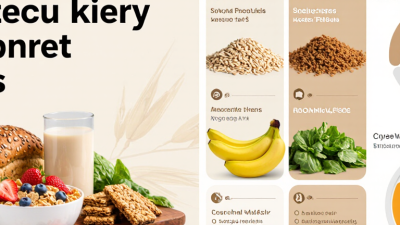
How to Choose Fibre Enrichment Ingredients for Food?
Fibre enrichment is moving from a niche nutrition claim into everyday product development. Bread, breakfast cereals, snack bars, and plant-based drinks now compete for consumers seeking better digestive health. The challenge is not simply adding more fibre. It is selecting an ingredient that works in the real product.
The European Food Safety Authority identifies 25 grams of dietary fibre daily as an adequate intake for healthy adults. The World Health Organization also encourages adults to consume at least 25 grams of naturally occurring fibre each day. These figures reveal a persistent formulation opportunity. Yet consumers judge more than nutrition panels. They notice gritty textures, dry crumb, unusual colours, and unexpected aftertastes.
That is where Fibre Enrichment Ingredients require technical discipline. Product developers should compare soluble and insoluble fibres, water-holding capacity, viscosity, fermentation behaviour, and processing stability. Oat fibre may support a familiar cereal profile, while resistant dextrin can dissolve more easily in beverages. Inulin can provide body and prebiotic positioning, but excessive use may affect tolerance for some consumers. Small trials matter.
Texture tells the truth.
Regulatory review is equally important. Ingredient status, permitted claims, declaration rules, and serving-size calculations vary across markets. The Codex Alimentarius guidelines and local authorities provide essential reference points, but guidance does not replace product-specific verification. A 2023 report from the International Food Information Council also highlights continued consumer interest in digestive health, although consumer understanding remains uneven. That gap deserves caution. Choosing fibre should connect nutritional value with sensory evidence, transparent communication, and reliable supplier documentation—not fashionable terminology alone.
Read more »
By:Ethan
- September 29, 2026

China Top Mineral Fortification Ingredients Suppliers
China’s mineral fortification ingredients suppliers serve food, beverage, and nutrition manufacturers seeking reliable sources of iron, zinc, calcium, and iodine compounds. Choosing a supplier is not just a price decision. Particle size, solubility, stability, documentation, and batch consistency can affect a finished product, from a pale cereal powder to a mineral-fortified drink.
The World Health Organization’s Guideline: Fortification of Food-Grade Salt with Iodine identifies salt iodization as a public-health strategy for preventing iodine deficiency. It also makes clear that fortification needs appropriate technical design and monitoring. WHO does not provide a commercial supplier ranking, so buyers should assess manufacturers directly, reviewing specifications, certificates of analysis, quality systems, and application support. Small details matter. A mineral that disperses poorly in a test beverage may create visible sediment in production.
Dr. Francesco Branca, WHO’s Director of Nutrition and Food Safety, has emphasized food fortification as a practical nutrition intervention; this reflects a public-health perspective, not an endorsement of any supplier. For purchasers comparing China-based producers, that distinction matters. Supplier claims deserve verification, and a polished brochure is not a substitute for a production trial. Mineral Fortification Ingredients can support nutritional goals, but ingredient choice must fit the food matrix, target population, and local requirements. The market is evolving, and even experienced buyers may need to revisit assumptions when formulations or sourcing conditions change.
Read more »
By:Ethan
- September 24, 2026
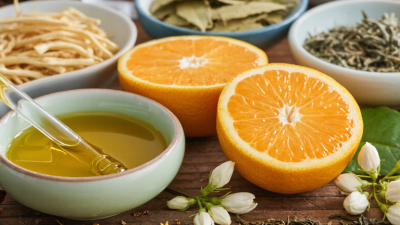
What Are the Best Natural Flavouring Ingredients from China?
Choosing the best Natural Flavouring Ingredients from China requires more than comparing aroma strength or price. The right ingredient should perform consistently, suit the product, and meet documented food-safety requirements. China offers a remarkable botanical range, shaped by varied climates, farming traditions, and regional processing expertise.
Bright citrus oils from Sichuan and Yunnan can add fresh peel notes to beverages, confectionery, and sauces. Osmanthus provides a soft apricot-like aroma, while jasmine delivers a delicate floral character. Ginger, green tea, star anise, and Sichuan pepper offer deeper profiles. Each ingredient behaves differently. Extraction method matters greatly.
Small details become important here. A cold-pressed citrus oil may smell vivid and sharp. A steam-distilled version can appear cleaner and lighter. Dried ginger may bring warmth, but its intensity can change between harvests. This is where practical evaluation helps. I would compare samples in the finished formula, not only on a paper specification.
“Best” is never universal.
Reliable sourcing also depends on traceability, botanical identification, pesticide controls, allergen statements, certificates of analysis, and suitable storage. Reputable suppliers should explain origin, extraction, batch variation, and shelf-life conditions. Independent testing may still be wise, especially for concentrated oils and complex extracts.
Some assumptions deserve reconsideration. A stronger aroma is not always better. The lowest price may create higher formulation costs later. Even attractive samples can disappoint after heating, dilution, or extended storage. A careful introduction to China’s natural flavouring sector should therefore balance sensory appeal with evidence, technical performance, and responsible quality verification.
Read more »
 By:Olivia
- September 19, 2026
By:Olivia
- September 19, 2026

What are the Benefits of Chicory Root Fibre Ingredients in 2026?
In recent years, the focus on health and wellness has surged, and "Chicory Root Fibre Ingredients" have become a key player in this trend. According to Dr. Sarah Thompson, a leading nutrition expert, “Chicory root is a powerhouse of soluble fiber.” This statement underlines its significance in healthy dietary practices today.
Chicory root fiber is known for its prebiotic properties. It supports gut health by fostering beneficial bacteria. This ingredient offers dietary fiber without excessive calories. Furthermore, it enhances the texture and mouthfeel of various food products. As consumers increasingly read labels, they seek wholesome ingredients. Chicory root aligns perfectly with this demand.
Companies are exploring innovative formulations with chicory root. The versatility of these ingredients opens many opportunities in food and beverage sectors. However, challenges remain. How to educate consumers on the benefits? How to differentiate in a crowded market? As the market evolves, continued research and expert insights will be paramount. The potential of "Chicory Root Fibre Ingredients" remains immense, but awareness and understanding need to catch up.
Read more »
By:Ethan
- August 28, 2026
Top 10 Stevia Sugar Replacement Ingredients for Global Buyers
In recent years, the demand for healthy alternatives to sugar has soared. Consumers are increasingly seeking natural options that provide sweetness without the calories. Among these, Stevia Sugar Replacement Ingredients have gained significant popularity. Derived from the leaves of the Stevia plant, these ingredients are cherished for their zero-calorie sweetness and natural origin.
However, not all Stevia products are created equal. Some contain additives that can alter flavor profiles. Buyers must navigate a complex landscape of options. Understanding the quality, source, and processing methods of Stevia Sugar Replacement Ingredients is essential. This knowledge empowers consumers to make informed choices that align with their health goals.
Exploring the top contenders in the market reveals both potential and pitfalls. The importance of reliable information cannot be overstated. Well-researched selections can enhance a brand's offerings. Importantly, transparency in ingredient sourcing builds trust with consumers. In a world where health trends shift rapidly, knowledge remains the key to making sound decisions.
Read more »
By:Sophia
- August 28, 2026
Inulin Fibre Ingredients Benefits for Global Buyers in 2026?
The growing interest in health-conscious diets has led to an increased focus on Inulin Fibre Ingredients. These components are derived from natural sources, notably chicory roots. They offer various health benefits, which attract global buyers seeking innovative food solutions. In 2026, the demand for these ingredients is expected to soar.
Inulin is a prebiotic fiber that supports digestive health. It enhances gut flora and aids in nutrient absorption. Buyers are increasingly recognizing its role in improving overall wellness. The versatility of Inulin Fibre Ingredients allows for integration into various products, from snacks to supplements. This adaptability presents unique opportunities for manufacturers.
Despite the promising benefits, there are challenges in sourcing and quality assurance. Not all inulin products meet the same standards. Buyers must be diligent in their selection. This landscape necessitates continuous research and collaboration to ensure reliability. Understanding these dynamics is crucial for making informed purchasing decisions in the evolving market.
Read more »
By:Olivia
- August 28, 2026