
Food Ingredient Insights & News
Explore technical formulation guides, market trends, and industry articles curated by NCC Food Ingredients specialists.
Inulin Fibre Ingredients Benefits for Global Buyers in 2026?
Table of Contents
- Overview of Inulin Fiber Ingredients and Their Global Market Trends
- Health Benefits of Inulin Fiber: Nutritional Advantages for Consumers
- Key Applications of Inulin Fiber in Food and Beverage Industries
- Market Forecast for Inulin Fiber Ingredients: Opportunities for Buyers
- Challenges and Considerations for Sourcing Inulin Fiber in 2026
- FAQS
- Conclusion
- Related Posts
The growing interest in health-conscious diets has led to an increased focus on Inulin Fibre Ingredients. These components are derived from natural sources, notably chicory roots. They offer various health benefits, which attract global buyers seeking innovative food solutions. In 2026, the demand for these ingredients is expected to soar.
Inulin is a prebiotic fiber that supports digestive health. It enhances gut flora and aids in nutrient absorption. Buyers are increasingly recognizing its role in improving overall wellness. The versatility of Inulin Fibre Ingredients allows for integration into various products, from snacks to supplements. This adaptability presents unique opportunities for manufacturers.
Despite the promising benefits, there are challenges in sourcing and quality assurance. Not all inulin products meet the same standards. Buyers must be diligent in their selection. This landscape necessitates continuous research and collaboration to ensure reliability. Understanding these dynamics is crucial for making informed purchasing decisions in the evolving market.
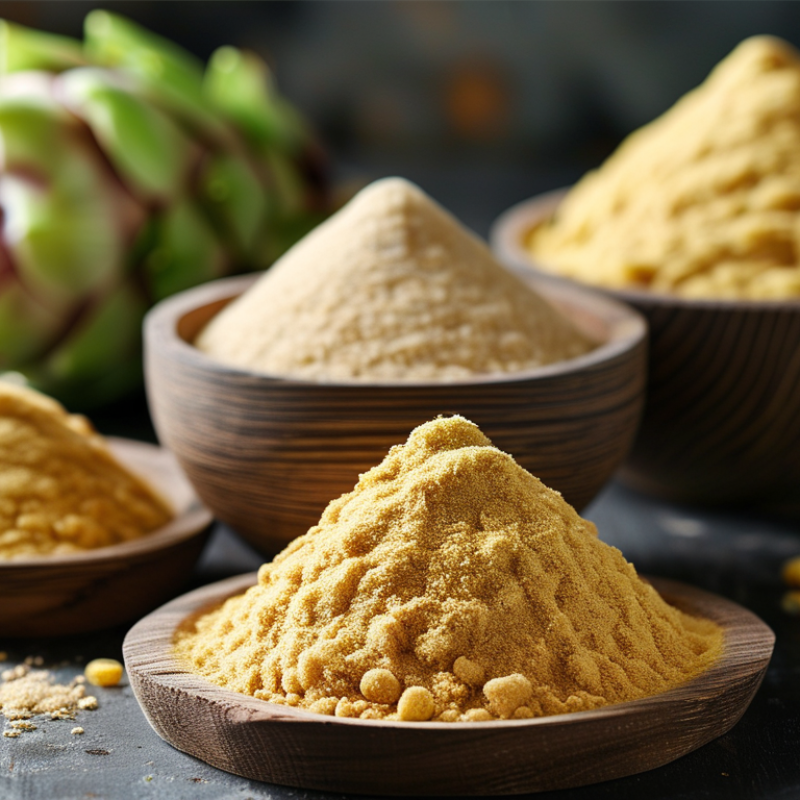
Overview of Inulin Fiber Ingredients and Their Global Market Trends
Inulin fiber ingredients have gained significant attention in recent years. These ingredients are derived from chicory roots and other plants. They are known for their prebiotic properties, promoting gut health. As digestive health becomes a priority for consumers, inulin's role is increasingly emphasized. It helps to foster a healthier gut microbiome, which is essential for overall wellness.
The global market trends indicate a rising demand for natural and plant-based ingredients. Inulin fits perfectly within this trend. Many food manufacturers are incorporating it into various products, including dairy and bakery items. This ingredient stands out due to its ability to enhance texture and improve nutritional profiles. However, not all consumers are aware of these benefits. Education on inulin’s health aspects is still needed.
Challenges remain in sourcing and maintaining quality. Price fluctuations can affect availability, creating uncertainty for buyers. Additionally, some individuals may experience digestive discomfort. It’s important for consumers to understand their tolerance levels. Transparency in ingredient sourcing will build trust in the market. As the demand grows, ongoing research is necessary to optimize inulin's benefits while addressing potential drawbacks.
Health Benefits of Inulin Fiber: Nutritional Advantages for Consumers
Inulin fiber has gained significant attention in recent years due to its numerous health benefits. According to a 2022 report by the International Food Information Council, inulin is praised for its role as a prebiotic. About 70% of consumers are increasingly seeking nutritional ingredients that support gut health. This increasing awareness reflects a shift towards holistic dietary choices.
The fiber content of inulin aids digestion and promotes a balanced gut microbiome. Studies indicate that regular consumption can enhance nutrient absorption and improve bowel regularity. An extensive analysis published in the Journal of Nutrition noted that inulin can help reduce the risk of chronic diseases, contributing to weight management and maintaining healthy blood sugar levels. Notably, it can increase feelings of fullness, which may lead to fewer caloric intakes.
However, the fiber does not come without drawbacks. Some individuals may experience mild digestive discomfort when consuming inulin, particularly in high amounts. This variability prompts the need for moderation in intake. Additionally, consumer education is vital, as some may not fully understand how to incorporate inulin into their diets effectively. Balancing these factors is crucial for maximizing the benefits of this ingredient.
Key Applications of Inulin Fiber in Food and Beverage Industries
Inulin fiber is gaining traction in the food and beverage industries due to its numerous health benefits. As a prebiotic, inulin promotes gut health by nourishing beneficial gut bacteria. According to a report by the Food and Agriculture Organization, the global demand for prebiotics is expected to reach 8.2 billion USD by 2026. This rising demand reflects consumers’ increasing focus on digestive health.
Inulin's versatility makes it ideal for various applications. It can enhance the texture of dairy products without adding extra calories. It also serves as a fat replacer in baked goods, helping to maintain moisture and improve mouthfeel. A study from the International Food Research Journal indicated that replacing sugar with inulin in beverages can lower calorie content while keeping sweetness intact. This balance appeals to consumers seeking healthier options.
Despite the benefits, there are considerations. Some individuals may experience digestive discomfort, such as bloating, when consuming high amounts of inulin. Food manufacturers need to strike a balance in formulation to ensure consumer satisfaction while harnessing the ingredient's benefits. This observation underscores the importance of individual tolerance and highlights the need for personalized nutrition approaches in product development.
Market Forecast for Inulin Fiber Ingredients: Opportunities for Buyers
The market for inulin fiber ingredients is expected to grow significantly by 2026. A recent report estimates that the global inulin market will hit USD 1.5 billion, driven by increasing consumer health awareness. Inulin, a soluble dietary fiber, supports digestive health and stable blood sugar levels. Buyers should consider the rising demand for plant-based and functional foods. This trend highlights the value of inulin as a natural ingredient in various products.
As opportunities expand, buyers must be mindful of sourcing practices. Ensuring high-quality, sustainably sourced inulin can enhance product appeal. Consumers increasingly favor brands that prioritize transparency and ethical sourcing. The market also presents challenges, such as fluctuating raw material prices and supply chain disruptions. These factors can impact pricing strategies for potential buyers.
For buyers seeking to maximize their investments, understanding market trends is crucial. Research shows a growing preference for low-calorie and high-fiber foods. Aligning product offerings with these preferences can boost sales. Engage customers with clear information about health benefits. Effective marketing can differentiate products in a crowded market. Being proactive about these insights may lead to successful outcomes in the competitive landscape of inulin ingredients.
Challenges and Considerations for Sourcing Inulin Fiber in 2026
Sourcing inulin fiber in 2026 poses unique challenges. As global demand grows, suppliers face potential shortages. It’s crucial to assess the supply chain's stability. Two main factors influence this: climate change and agricultural practices. Crop yields may fluctuate, impacting availability.
Buyers should consider quality. Not all inulin fiber is created equal. Variations exist in sources and extraction methods. This affects functionality and health benefits. Buyers need to be vigilant. Rigorous testing and supplier audits can ensure product integrity.
Regulatory landscapes are shifting. Different countries may impose stricter guidelines on sourcing and labeling. Staying updated with these changes can prevent compliance issues. Collaboration with experienced partners is vital. They provide insights into market trends and sourcing best practices. Ultimately, navigating these challenges requires diligence and adaptability.
Inulin Fiber Ingredients Benefits and Sourcing Challenges in 2026
FAQS
: Inulin is a fiber derived from chicory roots and other plants. It has prebiotic properties.
Inulin promotes a balanced gut microbiome. It aids digestion and nutrient absorption.
About 70% of consumers want nutritional ingredients for gut health. This reflects a holistic diet trend.
Some individuals may experience mild digestive discomfort, especially in high amounts. Moderation is essential.
The global inulin market may reach USD 1.5 billion by 2026, driven by health awareness.
High-quality, sustainably sourced inulin enhances product appeal. Transparency builds consumer trust.
Offering information about health benefits can attract consumers. Effective marketing is crucial in a crowded market.
Price fluctuations and supply chain issues may affect availability. Buyers should be aware of these uncertainties.
Education on proper intake is vital. Understanding personal tolerance will help maximize benefits.
There is a growing preference for low-calorie and high-fiber foods among consumers.
Conclusion
Inulin Fibre Ingredients are gaining significant attention in the global market due to their numerous health benefits and versatile applications. With rising consumer awareness about nutritional advantages, these ingredients are becoming essential in various food and beverage products. Inulin is recognized for its prebiotic properties, enhancing digestive health and potentially aiding in weight management, making it a desirable component for health-conscious consumers.
Looking ahead to 2026, the market forecast for Inulin Fibre Ingredients indicates ample opportunities for buyers, driven by an increasing demand for natural and functional ingredients. However, potential challenges related to sourcing must be considered, including supplier reliability and quality assurance. As the market evolves, navigating these challenges will be crucial for maximizing the benefits of inulin and meeting consumer needs effectively.

Blog Tags: