Natural Flavouring Ingredients: Technical Sourcing, Regulatory Compliance & Clean-Label Flavor Systems

A Definitive B2B Procurement and Formulator Guide to Sourcing High-Stability Natural Flavourings, Thermal-Resistant Extracts, and Off-Note Masking Technologies under EU 1334/2008 & US FDA 21 CFR 101.22 Frameworks.

FSSC 22000 & BRCGS Certified Sourcing
100% Non-GMO & Clean-Label Compliant
Global B2B Supply Chain Guarantee
In-House Application Lab Verification

The Strategic Imperative for High-Performance Natural Flavouring Ingredients in Modern Food Systems

In today’s hyper-vigilant global marketplace, food and beverage manufacturers face a complex dual mandate: deliver authentic, indulgent sensory experiences while strictly eliminating artificial additives, synthetic carrier solvents, and unpronounceable chemical compounds. As consumer scrutiny shifts toward clean-label transparency and ultra-processed food (UPF) reduction, Natural Flavouring Ingredients have evolved from simple aroma-enhancing additives into critical, multi-functional architectural components of modern food chemistry.

Sourcing natural flavourings is no longer merely a purchasing decision based on cost-per-kilogram; it is a sophisticated engineering challenge requiring deep expertise in botanical chemistry, thermal degradation kinetics, mass spectrometry verification, and international food law. Whether managing off-notes in plant-based proteins, stabilizing delicate citrus top-notes during HTST pasteurization, or complying with strict EU 95/5 source-derived naming conventions, global procurement teams must navigate intense supply chain volatilization and rigorous quality benchmarks.

Information Gain Perspective: Beyond Standard Flavor Profiles

Unlike standard market flavor offerings that rely on generic carrier matrices, NCC Food Ingredients provides bespoke natural flavouring solutions optimized for targeted thermal processing conditions (UHT, extrusion, deep baking) and matrix interaction profiles. Our solutions address chemical binding with plant proteins, lipid phase partition coefficients, and volatile top-note retention throughout extended shelf-life cycles.

As part of the NCC Group—with over 50 years of chemical and ingredient distribution leadership—we provide global food manufacturers with fully traceable, regulatory-verified, and technical-application-tested natural flavouring systems. Our technical teams assist R&D departments and procurement managers in optimizing Total Cost of Ownership (TCO) while guaranteeing absolute compliance with regional food authority guidelines.

Recommended Natural Flavouring Ingredient Categories

Engineered specifically for demanding commercial applications, our natural flavouring portfolio combines intense aromatic fidelity with physical stability across varied pH, shear, and temperature regimes.

FTNF / Source-Specific

Natural Citrus Extracts & FTNF Systems

Extracted directly from cold-pressed peel oils and aqueous essences of orange, lemon, lime, and grapefruit. Utilizing advanced fractional distillation to isolate high-purity d-limonene, linalool, and citral while stripping destabilizing terpene fractions prone to oxidation.

  • Key Active Volatiles: Limonene, Citral, Linalool
  • Matrix Compatibility: Beverages, Confectionery, Dairy
  • Solubility: Water Dispersible & Oil Soluble
  • Regulatory Status: EU 1334/2008 FTNF / FDA 21 CFR 101.22
  • Typical Dosage: 0.02% – 0.15% w/w
Clean-Label Functional

Natural Flavor Masking & Modifying Solutions

Advanced natural taste-modifying compounds specifically engineered to block metallic, earthy, and astringent off-notes caused by high-intensity sweeteners (Stevia Rebaudioside A/M), plant proteins (Pea, Soy, Faba bean), and functional mineral fortification (Calcium, Zinc).

  • Primary Function: Bitter Receptors & Off-Note Blocking
  • Matrix Compatibility: Plant-Based Dairy/Meat, RTD Shakes
  • Solubility: Fully Hydrophilic Systems
  • Regulatory Status: Natural Flavouring / FEMA GRAS
  • Typical Dosage: 0.01% – 0.08% w/w
Thermal-Resilient

Natural Reaction & Processed Brown Flavours

Formulated via controlled thermal reactions of natural sugars, amino acids, and botanical concentrates. Delivers robust roasted, caramelized, nutty, and savory Maillard profile notes capable of surviving high-shear extrusion, baking (220°C+), and retort processes.

  • Key Profile Notes: Caramel, Roast Coffee, Hazelnut, Cocoa
  • Matrix Compatibility: Bakery, Cereals, Pet Food, Savory
  • Thermal Threshold: Stable up to 240°C
  • Regulatory Status: Thermal Process Natural Flavouring
  • Typical Dosage: 0.10% – 0.50% w/w
Botanical & Authentic

Botanical & Herbal Oleoresins / Extracts

Supercritical CO2 extracted and solvent-free botanical concentrates derived from ginger, mint, vanilla, rosemary, and exotic herbs. Preserves non-volatile mouthfeel pungency (e.g., gingerols) along with volatile top-note aromatics for multi-dimensional taste profiles.

  • Extraction Method: Supercritical CO2 / Ethanol Extract
  • Matrix Compatibility: Functional Drinks, Sauces, Spirits
  • Carrier Option: Triacetin-free, Sunflower Oil / PG-free
  • Regulatory Status: 100% Natural Botanical Extract
  • Typical Dosage: 0.005% – 0.05% w/w
NCC Food Solutions Technical Flavor Formulation Lab

Comprehensive Technical Specifications & Regulatory Framework Matrix

Procuring natural flavouring ingredients requires strict cross-referencing between international food safety authorities. A common point of friction for multinational food brands is navigating the distinct operational definitions enforced by the European Union (EFSA / Regulation EC 1334/2008) versus North American standardizations (US FDA 21 CFR 101.22 & FEMA GRAS).

The comparative matrix below outlines technical parameters, legal declarations, and matrix resilience benchmarks across primary commercial natural flavouring classes provided by NCC Food Ingredients:

Flavor Ingredient Class EU Regulation 1334/2008 Naming Standard US FDA 21 CFR 101.22 Declaration Carrier & Delivery Matrix Thermal Resilience Optimal Application pH Range
FTNF Citrus Oils (e.g., Orange 95/5) "Natural Orange Flavouring" (Min 95% from Orange) Natural Orange Flavor Ethanol, Washed Oil, Medium Chain Triglycerides (MCT) Moderate (Sensitive to prolonged thermal degradation) pH 2.5 – 6.5
Natural Vanilla Complex "Natural Vanilla Flavouring with other Natural Flavours" Natural Vanilla Flavor WONF Sugar Syrup, Ethyl Alcohol, Water, Glycerine High (Retains vanillin aromatics up to 200°C) pH 3.0 – 8.0
Masking Technology Systems "Natural Flavouring" Natural Flavor Maltodextrin (Spray Dried), Propylene Glycol-Free Liquid Very High (Stable under HTST & UHT processing) pH 2.0 – 9.0
Thermal Maillard Reaction Flavors "Thermal Process Natural Flavouring" Natural Flavor (Processed) Salt, Dextrose, Sunflower Oil Carrier Extreme (Engineered for baking/extrusion up to 240°C) pH 4.0 – 8.5
Supercritical CO2 Botanicals "Natural [Source] Extract" Natural [Source] Extract Solvent-Free, Vegetable Oil, Oleoresin Matrix Moderate to High pH 3.5 – 7.5

Carrier Systems & Clean-Label Solvents: What Procurement Teams Must Know

A critical blind spot in flavor procurement is the secondary solvent or carrier system. While the active flavoring components may be 100% natural, the carrier solvent (up to 95-99% of liquid flavor systems) can disqualify clean-label consumer claims. Traditional synthetic carriers such as Propylene Glycol (PG) or Triacetin face severe pushback from clean-label retail guidelines.

NCC Food Ingredients offers specialized natural carrier platforms adapted for strict market demands:

  • Organic Certified Grain Ethanol: Provides rapid dispersion and crystal-clear solubility in premium beverage applications.
  • Non-GMO Vegetable Glycerine & Sunflower MCT: Ideal for alcohol-free, Halal, and Kosher certified liquid delivery.
  • Natural Gum Arabic & Chicory Root Inulin Carriers: Spray-dried encapsulation matrices that protect volatile aromatic terpenes from premature oxidation while providing functional fiber enrichment.

The global natural flavouring market is undergoing a seismic shift driven by climate volatility, geopolitical supply friction, consumer demands for ultra-traceability, and breakthroughs in synthetic biology. Enterprise procurement teams must transition from short-term transactional buying to strategic, trend-aligned sourcing models.

Global Food Ingredient Procurement and Logistics

1. De-risking Climate-Vulnerable Botanical Supply Chains

Agricultural yields of traditional botanical flavor sources—such as Madagascan Vanilla, Brazilian Citrus, and Indian Ginger—are increasingly disrupted by extreme weather events and agricultural diseases (e.g., Citrus Greening / Huanglongbing). Forward-thinking food manufacturers are mitigating supply risks by adopting dual-track procurement strategies: securing ethically sourced natural extracts alongside fermented or biotechnology-derived natural equivalents.

2. Precision Fermentation & Bio-Based Natural Molecules

Precision fermentation utilizes non-GMO yeast and microbial strains to bio-synthesize identical natural aromatic molecules (such as Nootkatone, Valencene, and Vanillin) from renewable plant sugars. Under both EU and US food regulations, molecules derived via natural fermentation pathways qualify for "Natural Flavouring" status, offering absolute price stability, 99%+ purity, and a dramatic reduction in scope 3 carbon emissions.

3. Circular Upcycled Flavor Feedstocks

Sustainability mandates are pushing food brands to specify natural flavourings extracted from agricultural side-streams. Examples include upcycled citrus peel oil recovered from juice pressing, spent coffee ground extracts, and fruit pomace aromatics. Procurement officers specifying upcycled natural flavourings gain immediate ESG (Environmental, Social, and Governance) advantages while securing resilient supply agreements.

4. Total Cost of Ownership (TCO) & Flavor Cost-in-Use Optimization

Evaluating flavor ingredients purely on a $ / kg basis is fundamentally flawed. A raw extract priced at $45/kg with a 0.2% dosage yields a cost-in-use of $0.09 per liter, whereas a highly concentrated, encapsulated natural flavor priced at $120/kg operating at a 0.03% dosage delivers a superior cost-in-use of $0.036 per liter. NCC Food Ingredients works closely with client purchasing teams to conduct detailed Cost-in-Use (CIU) modeling, delivering optimized performance at reduced operating expense.

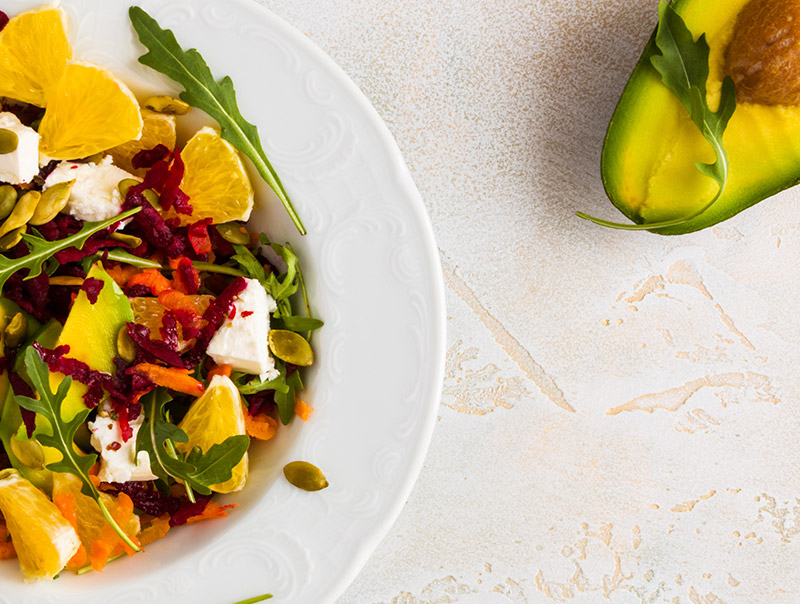
Flavor creation is rapidly intersecting with functional nutrition. As consumers demand reduced sugar, lowered sodium, and enhanced plant-protein diets without sacrificing taste satisfaction, natural flavouring ingredients are engineered to solve tough functional challenges.

Sugar & Salt Perception Enhancers

Utilizing natural FEMA-GRAS taste-modifying compounds that interact directly with human tongue T1R2/T1R3 sweet taste receptors or epithelial sodium channels (ENaC). These ingredients boost the mouthfeel and perceived sweetness of sugar-reduced formulations by up to 30%, or amplify umami perception in sodium-reduced savory systems.

Plant Protein Off-Note Quenching

Alternative proteins derived from yellow pea, soy, faba bean, and algae carry inherent earthy, beany, and bitter volatile off-notes (hexanal, methional). Modern natural flavouring systems bind chemically to these volatile off-notes or cross-mask human olfactory receptors, creating a neutral base for chocolate, vanilla, or fruit top-notes.

Authentic Ethnic & Experiential Botanicals

Globalized palates are driving rapid growth in demand for highly nuanced, authentic regional flavouring ingredients. Profiles such as Japanese Yuzu, Calamansi, Mexican Hibiscus (Jamaica), Smoky Chipotle, and Indian Cardamom are experiencing high double-digit compound annual growth rates (CAGR) across beverage and snack markets.

Frequently Asked Questions (FAQ) on Natural Flavouring Sourcing

Clear, authoritative answers to critical technical, regulatory, and commercial procurement queries asked by food scientists, buyer agents, and quality managers.

What is the technical difference between FTNF and standard Natural Flavourings under EU Law?

Under EU Regulation EC 1334/2008, FTNF stands for "From The Named Fruit" (or source). To label a flavor as "Natural [Source] Flavouring" (e.g., Natural Raspberry Flavouring), at least 95% by weight of the flavouring component must be extracted directly from the named source material. The remaining 5% must be natural flavouring substances used solely to standardize or provide specific fresh/ripe accents. If less than 95% originates from the named source, the declaration must read "Natural [Source] Flavouring with other Natural Flavours" (WONF) or simply "Natural Flavouring".

How do natural flavouring ingredients maintain stability during high-temperature processing (UHT / HTST / Baking)?

Volatile natural top-notes are inherently heat-sensitive. To ensure processing resilience, NCC Food Ingredients utilizes specialized stabilization technologies:
1. Micro-encapsulation: Trapping flavor volatiles inside matrix micro-spheres (Gum Arabic, Maltodextrin, or Modified Starch) that release aroma only upon hydration or mastication.
2. High-Boiling Fraction Isolation: Formulating with heavier natural sesquiterpenes and Maillard reaction compounds that exhibit elevated flashpoints (>180°C), minimizing flash-off evaporation during baking or extrusion.

Are synthetic solvents used in your natural flavouring systems?

We prioritize 100% clean-label delivery. While conventional industry flavorings often rely on synthetic Propylene Glycol (PG) or Triacetin, our specialized portfolios offer solvent-free, organic ethanol, non-GMO vegetable glycerine, and MCT oil carrier matrices tailored specifically for clean-label, Halal, Kosher, and organic-certified finished products.

What minimum documentation is supplied with B2B shipments of Natural Flavouring Ingredients?

Every commercial lot shipped by NCC Food Ingredients is accompanied by a full technical compliance dossier, including:
• Certificate of Analysis (CoA) matching lot-specific GC-MS fingerprinting parameters.
• Technical Data Sheet (TDS) and Safety Data Sheet (SDS / GHS compliant).
• Statement of Naturalness (EU 1334/2008 & FDA 21 CFR 101.22).
• Non-GMO, Allergen-Free, Halal, Kosher, and Irradiation-Free Declarations.
• Heavy Metal, Pesticide Residue, and Residual Solvent Screening reports.

How do natural flavor maskers work to neutralize pea protein bitterness?

Pea protein off-notes (such as hexanal and saponin bitterness) trigger specific bitter taste receptors (TAS2Rs) on the human tongue. Our natural flavor masking ingredients contain naturally derived compounds that temporarily bind to and block these TAS2R receptors, or physically encapsulate hydrophobic bitter peptides in solution. This prevents the brain from perceiving bitterness, allowing clean vanilla, chocolate, or fruit notes to shine through.

What is the standard lead time and Minimum Order Quantity (MOQ) for custom sample matching?

Standard benchtop sample evaluations (100g – 500g samples) are typically dispatched within 3 to 5 business days from our Ireland applications facility. Commercial MOQs start at 25kg drums for standard liquid/powder natural flavours, with bespoke flavor development minimums evaluated based on annual volume commitments.

Why Leading Global Food Manufacturers Partner with NCC Food Ingredients

With over 50 years of group expertise in chemical distribution and functional ingredient sourcing, NCC Food Ingredients provides food producers with unprecedented supply chain clarity, technical application support, and uncompromising quality assurance.

We do not merely supply raw materials; we actively partner with your culinary R&D teams to solve complex formulation hurdles, optimize cost-in-use profiles, and accelerate time-to-market for innovative, clean-label food and beverage products.

  • 100% Supply Chain Traceability: Complete audit trails from botanical harvest through batch extraction and final delivery.
  • FSSC 22000 & BRCGS Excellence: Rigorous quality management systems guaranteeing global food safety compliance.
  • In-House Application Lab Support: Real-world performance testing under actual pasteurization, baking, and freeze-thaw conditions.
  • Regulatory & Legal Certainty: Full assistance with EU 1334/2008, FDA, EFSA, and regional labeling declarations.
  • Agile Global Logistics: Strategically positioned warehousing networks across Europe and global trade routes ensuring uninterrupted security of supply.
NCC Food Ingredients Quality Control & Distribution Hub
50+ Years Trusted B2B Ingredient Partner

Accelerate Your Clean-Label Flavor Innovation Today

Connect directly with our senior flavor technologists and B2B sourcing specialists. Request custom sample matching, technical compliance dossiers, or a competitive cost-in-use audit for your food manufacturing setup.

Send an Inquiry