
Food Ingredient Insights & News

Explore technical formulation guides, market trends, and industry articles curated by NCC Food Ingredients specialists.

0%

Fibre enrichment is moving from a niche nutrition claim into everyday product development. Bread, breakfast cereals, snack bars, and plant-based drinks now compete for consumers seeking better digestive health. The challenge is not simply adding more fibre. It is selecting an ingredient that works in the real product.

The European Food Safety Authority identifies 25 grams of dietary fibre daily as an adequate intake for healthy adults. The World Health Organization also encourages adults to consume at least 25 grams of naturally occurring fibre each day. These figures reveal a persistent formulation opportunity. Yet consumers judge more than nutrition panels. They notice gritty textures, dry crumb, unusual colours, and unexpected aftertastes.

That is where Fibre Enrichment Ingredients require technical discipline. Product developers should compare soluble and insoluble fibres, water-holding capacity, viscosity, fermentation behaviour, and processing stability. Oat fibre may support a familiar cereal profile, while resistant dextrin can dissolve more easily in beverages. Inulin can provide body and prebiotic positioning, but excessive use may affect tolerance for some consumers. Small trials matter.

Texture tells the truth.

Regulatory review is equally important. Ingredient status, permitted claims, declaration rules, and serving-size calculations vary across markets. The Codex Alimentarius guidelines and local authorities provide essential reference points, but guidance does not replace product-specific verification. A 2023 report from the International Food Information Council also highlights continued consumer interest in digestive health, although consumer understanding remains uneven. That gap deserves caution. Choosing fibre should connect nutritional value with sensory evidence, transparent communication, and reliable supplier documentation—not fashionable terminology alone.
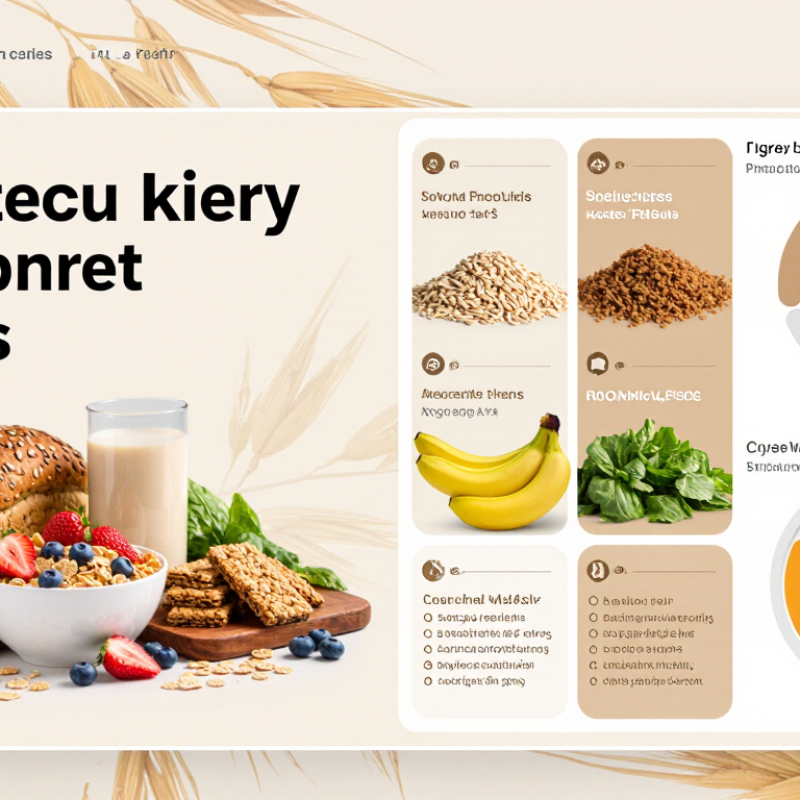
How to Choose Fibre Enrichment Ingredients for Food?

Understanding Fibre Enrichment and Its Role in Food Formulation

Fibre enrichment means adding dietary fibre without damaging taste, texture, or nutritional balance. The need is measurable. The 2020–2025 Dietary Guidelines for Americans report that more than 90% of women and 97% of men do not meet fibre recommendations. The U.S. Food and Drug Administration sets the Daily Value at 28 grams, based on a 2,000-calorie diet.

Ingredient choice should begin with the product’s purpose. Psyllium can improve water binding in bread, but excessive use may create a dense crumb. Inulin adds soluble fibre and mild sweetness, yet high levels can cause digestive discomfort for some consumers. Resistant starch often supports softer textures in baked foods. Beta-glucan may suit cereals and beverages, although its viscosity can complicate processing. Small-scale trials matter more than a supplier’s ideal specification.

Formulators should check fibre content after baking, drying, and storage. Heat and moisture can change performance. The Institute of Medicine’s dietary reference value of 14 grams per 1,000 calories helps guide realistic serving claims. Still, fibre numbers alone can mislead. A bar with 10 grams of fibre may feel heavy, gritty, or unpleasant. I have found that a slightly lower level often delivers better repeat acceptance. That compromise deserves more attention. When selecting an ingredient, review solubility, particle size, digestive tolerance, sensory impact, and evidence supporting the intended health communication.

Identifying Fibre Types and Their Functional Properties

Choosing fibre enrichment ingredients starts with fibre type, not the largest number on a specification sheet.

Soluble fibres, such as beta-glucan, pectin, and inulin, disperse in water and may increase viscosity.

Insoluble fibres, including cellulose and some cereal fibres, add bulk and can support texture.

Function matters most.

Viscous fibres can create a thicker mouthfeel and slow nutrient diffusion. Fermentable fibres may support beneficial colonic fermentation, but they can also cause discomfort when used too quickly. Resistant starch behaves differently again. It can improve crumb structure while contributing less immediate sweetness.

The Codex Alimentarius dietary fibre definition includes carbohydrate polymers with physiological benefits, helping formulators assess fibre beyond simple solubility.

Dosage needs evidence.

The EFSA Panel reported that 25 grams of fibre daily supports normal bowel function in adults.

In the United States, the FDA Daily Value is 28 grams, based on a 2,000-calorie diet.

These figures guide communication, not automatic product design. A biscuit may need short, fine particles for a smoother bite. A beverage may require low-viscosity fibre to reduce sedimentation.

I have found that “more fibre” can weaken texture, increase water demand, or create an unwanted aftertaste. That is easy to overlook.

Product trials should measure viscosity, water activity, sensory acceptance, and gastrointestinal tolerance.

A fibre that performs well in a laboratory may behave poorly after baking, storage, or reheating.

Cite technical data from EFSA, FDA, and Codex before making nutrition claims.

Matching Fibre Ingredients with Product Requirements

How to Choose Fibre Enrichment Ingredients for Food?

Matching Fibre Ingredients with Product Requirements

Fibre selection should begin with the product, not the ingredient catalogue. A crisp biscuit needs low moisture binding and clean texture. A drink needs rapid dispersion, low sedimentation, and minimal mouthfeel. A soft bar may tolerate resistant starch, while a clear beverage usually cannot tolerate visible haze.

The health target matters too. The Lancet’s 2019 systematic review examined 185 prospective studies and 58 clinical trials. It found the strongest benefits at roughly 25–29 grams of dietary fibre daily. This supports meaningful enrichment, but dosage alone is not enough. Viscous fibres can support texture and digestive goals. Inulin may improve fibre content, yet excessive use can create gas or a sharp aftertaste. Resistant starch can support softer textures, but processing heat may reduce its functional value.

Test the finished food, not just the powder. Measure viscosity, water activity, particle size, sweetness perception, and stability after storage. For bakery products, observe crumb hardness after seven and fourteen days. For beverages, check sediment after transport simulation. Ingredient specifications should be verified against recognised methods and current national requirements. A product may meet its fibre number and still disappoint consumers. That is the uncomfortable part. Formulators sometimes optimise laboratory results before asking whether people will finish the serving. A smaller, pleasant dose may perform better than a larger, technically impressive one.

Evaluating Nutrition, Safety, Quality, and Regulatory Compliance

How to Choose Fibre Enrichment Ingredients for Food?

Fibre selection should begin with nutrition, not marketing language. The FDA lists 28 grams as the daily value for fibre on a 2,000-calorie diet. The Lancet review by Reynolds and colleagues linked higher fibre intake with lower risks of several chronic diseases, especially around 25–29 grams daily. However, an ingredient’s fibre content does not tell the whole story. Solubility, viscosity, fermentability, and particle size affect digestion, texture, and consumer tolerance. A powder that feels smooth in a dry blend may create a dense, gummy texture after hydration. Small bench trials matter.

Safety checks should cover microbiological quality, heavy metals, pesticide residues, allergens, and residual processing chemicals. Suppliers should provide current specifications, certificates of analysis, traceability records, and stability data. EFSA guidance also shows why evidence must match the proposed health claim and serving level. A familiar ingredient is not automatically safe in every application. Excessive intake may cause bloating or discomfort, particularly when consumers increase fibre too quickly. That detail is easy to overlook.

Regulatory compliance requires checking the destination market, ingredient definition, permitted use level, and labeling rules. Fibre calculations may differ between jurisdictions. For example, some authorities distinguish naturally occurring fibre from isolated or synthetic fibre. Product developers should verify claims with current guidance from authorities such as the FDA, EFSA, and Codex Alimentarius. Documentation must support every statement on pack. A clean label is not proof of compliance. Sometimes, the weakest evidence appears in the smallest technical file.

How to Choose Fibre Enrichment Ingredients for Food?

Evaluating Nutrition, Safety, Quality, and Regulatory Compliance

This comparison presents representative nutrient values per 100 g for commonly used fibre ingredients. Psyllium husk and inulin provide high fibre density, while wheat bran and oat bran also contribute meaningful protein. Actual composition varies by crop, processing method, moisture content, and supplier specification.

Ingredient selection should also consider hydration behavior, gastrointestinal tolerance, contaminant testing, allergen controls, microbiological quality, permitted claims, and applicable food-additive or novel-food requirements in the target market.

Data basis: representative typical composition values for generic food-grade ingredients; specifications and regulatory status must be verified for each batch and jurisdiction.

Optimizing Fibre Selection Through Testing and Consumer Acceptance

How to Choose Fibre Enrichment Ingredients for Food?

Optimizing Fibre Selection Through Testing and Consumer Acceptance

Choosing a fibre ingredient is not a label exercise. It is a testing decision. In pilot kitchen trials, I compare powders by hydration, viscosity, flavour, and performance after baking. A fibre that blends smoothly in water may create a dry bite in a biscuit. Another may thicken a drink within minutes. These differences affect nutrition targets and consumer trust. Measure them early.

A practical test begins with a control recipe and one fibre variable. Record mixing time, dough temperature, volume, moisture, and texture after 24 hours. Use trained sensory panels to assess off-notes, grittiness, sweetness, and mouth-coating. Then conduct consumer testing with the intended audience, not only convenient colleagues. Ask whether the product feels familiar, filling, and worth buying. Preference scores matter, but comments often reveal the real barrier.

Small details can change acceptance. A pale cracker may look healthier, yet darker colour can suggest whole grains. Packaging claims should match verified fibre content and serving size. I would also test tolerance during normal portions, because some fibres may cause bloating for sensitive consumers. This is where formulation plans become less tidy. A technically excellent ingredient may still fail when consumers reject its texture. Repeat the trial, adjust the dose, and document every compromise.

How to Choose Fibre Enrichment Ingredients for Food? - Optimizing Fibre Selection Through Testing and Consumer Acceptance

Fibre Ingredient Category Typical Dietary Fibre Content
(% dry basis)
Solubility and Viscosity Typical Food-Use Level
(% w/w)
Key Functional Benefits Main Technical Risks to Test Consumer Acceptance Considerations
Inulin and Fructooligosaccharides Approximately 90–99% Generally soluble; low to moderate viscosity depending on chain length and concentration 2–10% Bulking, mild sweetness, fat-reduction support, prebiotic positioning, improved mouthfeel Sedimentation, crystallization, excessive firmness, digestive tolerance at higher intakes Assess sweetness, creaminess, aftertaste, gastrointestinal comfort, and willingness to repurchase
Resistant Dextrin Approximately 85–90% Highly soluble; usually low viscosity and suitable for clear beverages 3–12% High fibre enrichment with limited impact on colour, flavour, and texture Haze, sedimentation, sweetness changes, osmotic effects, and stability during storage Particularly suitable for blind tests because it can provide fibre without a strong sensory signature
Psyllium Husk Approximately 70–85% Limited solubility; very high water-binding capacity and viscosity 0.5–3% Strong water retention, structure formation, viscosity increase, and improved satiety-related texture Lumping, gel formation, dense texture, processing difficulty, and moisture migration Evaluate chewiness, sliminess, particle perception, and ease of swallowing
Resistant Starch Approximately 70–90% Low to moderate solubility; usually low viscosity, with functionality affected by heat and shear 5–20% Fibre enrichment, starch replacement, powder bulking, and possible reduction in available carbohydrate Loss of resistant starch during severe heat processing, gritty mouthfeel, dryness, and poor dispersion Check mouth-coating, grittiness, hardness, dryness, and product familiarity
Oat Beta-Glucan Concentrate Approximately 20–70%, depending on concentration and purity Soluble; viscosity increases substantially with concentration and molecular weight 1–5% Viscosity enhancement, water retention, creamy mouthfeel, and soluble-fibre enrichment Over-thickening, phase separation, viscosity loss during processing, and cereal flavour Measure perceived thickness, cereal notes, smoothness, and overall liking relative to the control
Citrus Fibre Approximately 70–85% Partly soluble; high water-binding and emulsion-stabilizing capacity 0.5–4% Moisture retention, emulsion stability, clean-label texture improvement, and reduced syneresis Citrus flavour, visible particles, colour variation, and excessive water binding Test flavour compatibility, visual appearance, juiciness, and naturalness perception
Cellulose and Microcrystalline Cellulose Approximately 90–99% Insoluble or poorly soluble; can provide suspension, bulking, and body 1–8% Bulking, particulate structure, calorie reduction support, and improved physical stability Chalkiness, grittiness, whitening, sedimentation, and dry mouthfeel Use trained sensory panels to monitor particle perception, powderiness, and mouth drying
Wheat Dextrin and Other Soluble Plant Dextrins Approximately 85–95% Highly soluble; generally low viscosity and low visual impact 3–12% Convenient fibre fortification with limited changes to texture and appearance Clumping, incomplete dissolution, haze, and potential allergen or regulatory declaration requirements Assess clarity, flavour neutrality, labelling comprehension, and perceived product quality
Recommended selection workflow: Confirm dietary fibre content using a validated AOAC dietary-fibre method; measure water-holding capacity, viscosity, particle size, dispersion, and storage stability; then compare samples with a control using a trained sensory panel and a consumer acceptance test. Final use levels should be confirmed in the target food matrix because processing conditions, moisture, pH, temperature, and ingredient grade can substantially change performance.

FAQS

How should fibre enrichment ingredients be selected?

Start with the finished product, not the ingredient catalogue. Consider texture, moisture, dispersion, and the intended health benefit.

What is the difference between soluble and insoluble fibre?

Soluble fibres disperse in water and may increase viscosity. Insoluble fibres add bulk and can support structure.

Which fibre may suit a beverage?

Choose a low-viscosity fibre with rapid dispersion and low sedimentation. Visible haze can reduce consumer acceptance.

Which fibre may suit a crisp biscuit?

Short, fine particles may create a smoother bite. Low moisture binding helps protect crispness.

Can adding more fibre improve a product?

Not always. Excess fibre may weaken texture, increase water demand, or create an unwanted aftertaste.

What daily fibre amount is commonly used for guidance?

Adult guidance commonly falls near 25 to 29 grams daily. This supports communication, but it does not determine every product formula.

How can resistant starch affect food texture?

It may improve crumb structure and support softer textures. Processing heat can reduce its functional value.

Can fermentable fibres cause discomfort?

Yes, especially when introduced too quickly or used at high levels. Gastrointestinal tolerance needs testing.

What should be tested in the finished food?

Measure viscosity, water activity, particle size, sweetness perception, and storage stability. Test the actual product.

How should fibre claims be supported?

Verify ingredient specifications and use recognised technical methods. A high fibre number does not guarantee a pleasant serving.

Conclusion

Choosing the right Fibre Enrichment Ingredients is essential for developing foods that deliver meaningful nutritional benefits while maintaining good taste, texture, appearance, and stability. The selection process begins with understanding the role of fibre in food formulation and distinguishing between soluble, insoluble, and functional fibre types. Each type can offer different properties, such as water absorption, viscosity control, bulking, emulsification, or digestive support. These characteristics should be matched carefully with the needs of the product, whether it is a beverage, bakery item, snack, cereal, or prepared meal.

A successful choice also requires evaluating fibre content, nutritional value, ingredient safety, quality consistency, clean-label expectations, and applicable regulatory requirements. Practical testing is important because fibre may affect processing, flavour, mouthfeel, shelf life, and consumer acceptance. By conducting formulation trials and sensory evaluations, manufacturers can identify the most suitable ingredient level and combination. A balanced approach helps create products that are nutritionally valuable, technically reliable, appealing to consumers, and aligned with responsible food development practices.

Ethan

Ethan

Ethan is a dedicated marketing professional with a profound expertise in the company's products. With years of experience in the industry, he possesses an in-depth understanding of the market trends and consumer needs, allowing him to develop innovative strategies that enhance brand visibility and......