
Food Ingredient Insights & News

Explore technical formulation guides, market trends, and industry articles curated by NCC Food Ingredients specialists.

0%

In recent years, the demand for healthy alternatives to sugar has soared. Consumers are increasingly seeking natural options that provide sweetness without the calories. Among these, Stevia Sugar Replacement Ingredients have gained significant popularity. Derived from the leaves of the Stevia plant, these ingredients are cherished for their zero-calorie sweetness and natural origin.

However, not all Stevia products are created equal. Some contain additives that can alter flavor profiles. Buyers must navigate a complex landscape of options. Understanding the quality, source, and processing methods of Stevia Sugar Replacement Ingredients is essential. This knowledge empowers consumers to make informed choices that align with their health goals.

Exploring the top contenders in the market reveals both potential and pitfalls. The importance of reliable information cannot be overstated. Well-researched selections can enhance a brand's offerings. Importantly, transparency in ingredient sourcing builds trust with consumers. In a world where health trends shift rapidly, knowledge remains the key to making sound decisions.
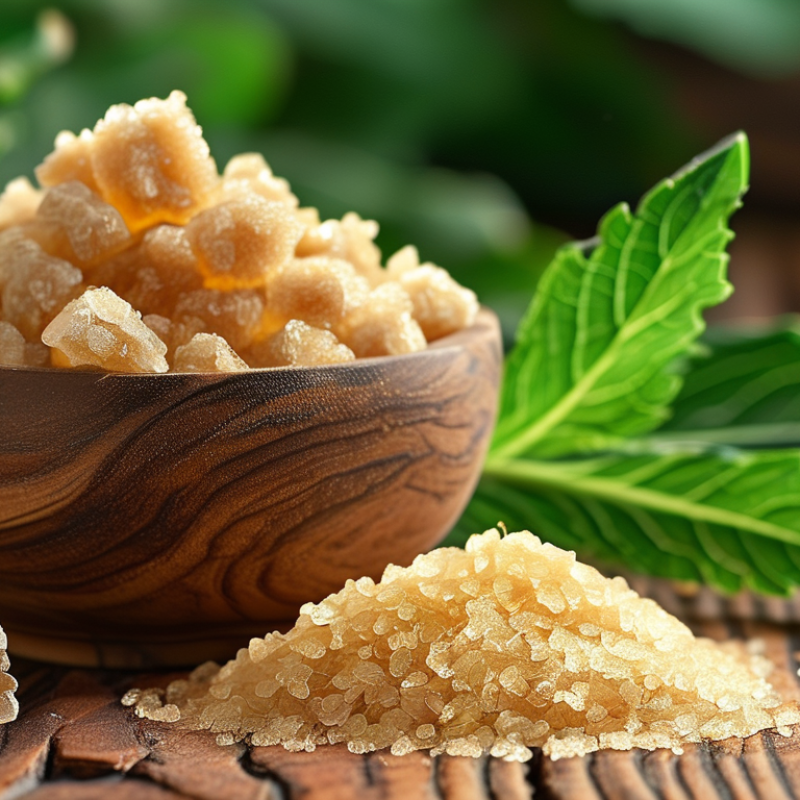
Top 10 Stevia Sugar Replacement Ingredients for Global Buyers

Key Characteristics of Stevia as a Sugar Alternative

Stevia has gained popularity as a natural sugar substitute. Its key characteristics make it an appealing choice for many consumers. This plant-derived sweetener is significantly sweeter than sugar, requiring only a small amount for the same sweetness level. This is appealing for those watching their calorie intake. Stevia has zero calories, which makes it suitable for weight management and diabetes.

Another vital aspect of stevia is its natural origin. Unlike artificial sweeteners, it comes from the leaves of the Stevia rebaudiana plant. This feature attracts health-conscious consumers who prefer whole food options. Stevia does not raise blood sugar levels, ensuring that it remains friendly for those with insulin sensitivity. Additionally, it has a distinct flavor profile, sometimes described as herbal or slightly licorice-like. While this unique taste is enjoyable for some, others may find it an acquired preference.

When considering stevia as a sugar alternative, it's essential to acknowledge its limitations. Some individuals may experience digestive discomfort if consumed in large quantities. This prompts the need for moderation and mindful consumption. Taste and sweetness perception can vary widely among individuals. What works for one person might not suit another. Such aspects highlight the complexity of selecting a sugar alternative that aligns with personal health goals and preferences.

Comparative Analysis of Stevia and Other Sugar Substitutes

Stevia has gained popularity as a natural sugar substitute. It offers a sweetness that can be 50 to 300 times stronger than regular sugar. Unlike traditional sweeteners, stevia has no calories. This makes it appealing to health-conscious individuals. However, it is essential to understand how it compares with other sugar substitutes.

Many prefer sugar alcohols like erythritol or xylitol. These sweeteners provide fewer calories and have a low glycemic index. However, they can lead to digestive issues for some people. Natural alternatives like monk fruit also have their place. Monk fruit offers a unique sweetness profile but can be expensive. What works for one person may not work for another.

Tips: When choosing a sweetener, consider your dietary needs. Some sweeteners may cause allergic reactions. Always start with a small amount to determine your tolerance. Experiment with different options to find what suits your taste buds. Balance is key in maintaining a healthy diet.

Top 10 Global Sources of Stevia Sugar Replacement Ingredients

The global demand for stevia sugar replacements is growing rapidly. Many countries are recognizing the benefits of natural sweeteners. These ingredients are often favored for their low-calorie content and health benefits.

Leading sources of stevia ingredients can be found in different regions. Countries like China and Paraguay are well-known for their high-quality stevia production. These areas provide both raw materials and processed products. Other regions, such as the United States and Brazil, have also developed their own production capabilities. This expansion helps in diversifying supply and availability.

However, despite the growing market, sourcing quality ingredients can pose challenges. Variability in product purity often raises concerns among buyers. It is important for global buyers to conduct thorough research. Understanding the supply chain becomes essential. Engaging directly with suppliers can provide insights into their quality control processes. This ensures reliability in sourcing these sweeteners for various applications.

Health Benefits and Risks of Using Stevia-based Sweeteners

Stevia, derived from the leaves of the Stevia rebaudiana plant, offers a natural alternative to sugar. It is gaining popularity for its zero-calorie sweetness. But, like all sweeteners, it has its pros and cons.

Using stevia can help reduce sugar intake, which may benefit those managing weight or blood sugar levels. Yet, some people report a bitter aftertaste. This can lead to a less enjoyable eating experience. Additionally, there can be digestive concerns when consuming stevia in excess, potentially leading to bloating or discomfort. It’s essential to listen to your body and adjust your intake accordingly.

When integrating stevia into your diet, consider using it sparingly. Experiment with different recipes to find the balance that works for you. Some individuals may find blended sweeteners to be a more agreeable choice. Monitor how your body responds. While stevia has health benefits, awareness of individual tolerance is key to making it work effectively in your lifestyle.

Top 10 Stevia Sugar Replacement Ingredients

This bar chart represents the popularity and health benefits of various stevia sugar replacement ingredients among global buyers. Each ingredient is scored based on taste, health benefits, and market demand.

Market Trends for Stevia in the Global Food Industry

The stevia market is witnessing significant growth in the global food industry. As consumers seek healthier alternatives to sugar, stevia rises to the occasion. Its low-calorie nature appeals to those monitoring their sugar intake. This trend is reflected in various product innovations, from beverages to snacks.

Recent research indicates a growing preference for plant-based sweeteners. Stevia is favored for its natural origins, aligning with increasing consumer awareness regarding health and sustainability. Many food manufacturers are adapting their formulations to include stevia. However, it's essential to balance taste and sweetness level. Some products still find it challenging to replicate the exact flavor profile of sugar.

The market's evolving landscape presents opportunities and challenges. While stevia is popular, not all consumers are familiar with its taste. Education is critical. Misconceptions around aftertastes can deter potential buyers. Thus, manufacturers must be transparent about their ingredients. Engaging with consumer feedback can lead to better product development. This ongoing dialogue strengthens market trust and drives acceptance.

Top 10 Stevia Sugar Replacement Ingredients for Global Buyers - Market Trends for Stevia in the Global Food Industry

Ingredient Country of Origin Market Share (%) Key Benefits Usage Applications
Stevia Extract USA 35% Natural sweetener, zero calories Beverages, baking, sauces
Stevioside China 25% High sweetness, stable in heat Confectionery, dairy, sauces
Rebaudioside A Japan 20% Natural taste, less bitter Beverages, frozen desserts
Stevia Blend Brazil 10% Balanced sweetness profile Snack foods, sauces, yogurts
Stevia Powder Argentina 5% Convenience of use Baking, cooking, beverages
Liquid Stevia USA 3% Easy to measure and use Coffee, tea, cocktails
Stevia Glycerite India 2% Syrup-like consistency Beverages, dessert toppings
Stevia Extract Powder Mexico 1% Highly concentrated Baking, desserts
Greener Alternatives Multiple Regions 1% Sustainable sourcing Natural foods, organic products
Customized Stevia Blends Various Countries 1% Tailored to taste preferences Food service, specialty products

FAQS

: What is stevia?

: Stevia is a natural sugar substitute derived from the leaves of the Stevia rebaudiana plant.

Why do people choose stevia?

Stevia is calorie-free, making it appealing for weight management and diabetes-friendly diets.

How sweet is stevia compared to sugar?

Stevia can be 50 to 300 times sweeter than sugar, requiring only a small amount.

What are some taste characteristics of stevia?

Stevia has an herbal or slightly licorice-like flavor that some enjoy and others may find unusual.

Are there any drawbacks to consuming stevia?

Some individuals may experience digestive discomfort if they consume large amounts of stevia.

How does stevia compare to other sweeteners?

Stevia has no calories, unlike sugar alcohols, which can cause digestive issues, and it may vary in taste preference.

Where is stevia sourced from?

Key producers of stevia include China and Paraguay, which are known for high-quality production.

What challenges exist in stevia sourcing?

Variability in product purity raises concerns, making thorough research and supplier engagement essential.

Can anyone use stevia?

While many can use stevia, individual taste preferences and sensitivities can affect its suitability for each person.

How should one choose a sweetener?

Start with small amounts to determine tolerance and experiment with various options for the best personal fit.

Conclusion

Stevia Sugar Replacement Ingredients have gained significant attention as more consumers seek healthier alternatives to traditional sugars. This article explores the key characteristics of Stevia, highlighting its natural origin and low-calorie nature, which make it an appealing choice for health-conscious individuals. A comparative analysis illustrates how Stevia stacks up against other sugar substitutes, emphasizing its unique benefits and potential drawbacks.

The article also identifies the top 10 global sources of these Stevia ingredients, showcasing their widespread availability and increasing popularity in various markets. Furthermore, it discusses the health benefits associated with using Stevia-based sweeteners, along with some risks that consumers should be aware of. Finally, it addresses the emerging market trends for Stevia in the global food industry, indicating a growing demand for natural sweeteners as dietary preferences evolve.

Sophia

Sophia

Sophia is a dedicated marketing professional with a profound understanding of her company's products and services. With years of experience in the industry, she consistently demonstrates expertise in crafting strategic marketing initiatives that resonate with target audiences. Sophia takes pride in......