
Food Ingredient Insights & News

Explore technical formulation guides, market trends, and industry articles curated by NCC Food Ingredients specialists.

0%

Convenience foods are no longer judged by speed alone. Shoppers also look for familiar flavors, clear labels, and ingredients that suit busy routines. In 2026, the most notable Convenience Foods Ingredients may include pulses, whole grains, plant and dairy proteins, practical seasoning blends, and ingredients that help maintain texture. Think of chickpeas in a ready meal, oats in a snack bar, or herbs that make a quick soup taste less ordinary. Small details matter.

There is no single ingredient list that works for every product. A protein source may improve satiety, but its flavor and texture still need to fit the recipe. Fiber-rich ingredients can add substance, though they may change how a snack feels or keeps its freshness. The best choices depend on the product, processing method, and people it is made for. That is not the whole story.

This article will explore key ingredient categories and the roles they can play in convenient meals and snacks. It will also consider label transparency, sourcing, and the difference between a marketing claim and useful product information. Trends can change quickly, and “better” means different things to different households. Ingredient claims should be checked against reliable product details, not assumed from a trend. A little skepticism helps. That makes the conversation more useful—and more honest.
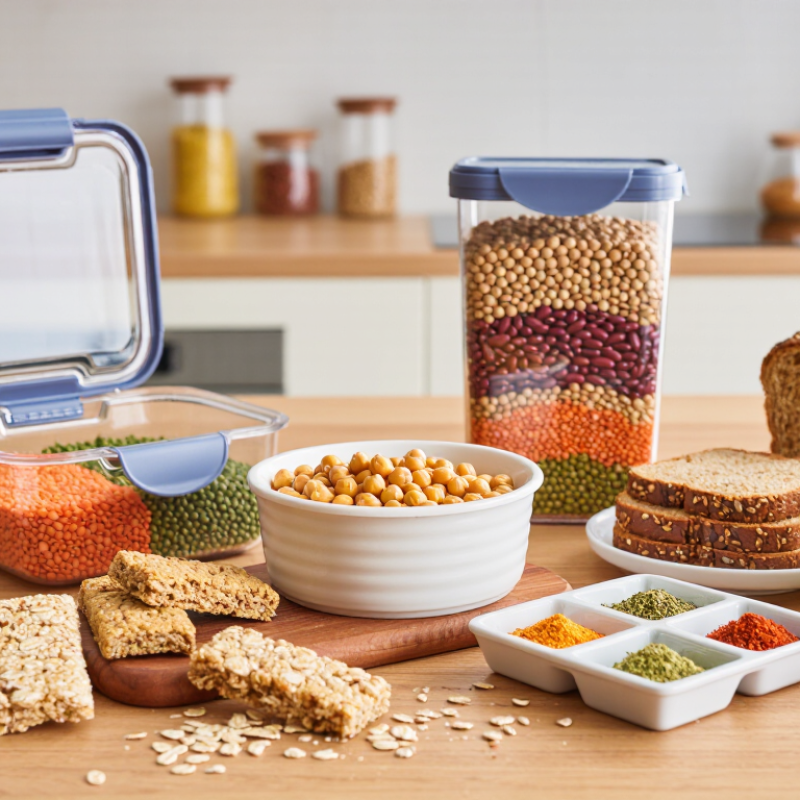
What Are the Top Convenience Foods Ingredients in 2026?

Key Criteria for Identifying Leading Convenience Food Ingredients in 2026

Identifying leading convenience-food ingredients in 2026 requires more than checking a nutrition panel. Test how each ingredient tastes, holds its texture, and performs after freezing, reheating, or sitting in a chilled case. Beans should stay tender, not chalky. Vegetables should retain color and bite. These practical checks matter because a promising formulation can fail at the kitchen table.

Consumer priorities offer useful evidence. In the 2024 International Food Information Council Food & Health Survey of 3,000 U.S. adults, 85% cited taste, 76% price, and 62% healthfulness as important food-purchase factors. That puts flavor and cost beside nutrition, not behind it. A high-fiber grain may look strong on paper, but it still needs to suit the dish and fit the serving cost. No scorecard is perfect.

Nutrition claims should be checked against measurable benchmarks. The FDA Daily Value for sodium is 2,300 milligrams, and the Daily Value for dietary fiber is 28 grams, based on a 2,000-calorie diet. Compare a realistic serving with those values, and check whether the ingredient list supports the product’s claims. Also assess supply consistency, preparation time, and performance across batches. Small texture changes can matter. They are easy to miss.

Plant-Based Proteins and Other Alternative Protein Sources

In 2026, convenience foods are increasingly using proteins that deliver more than a number on the nutrition panel. Pea, soy, fava bean, and lentil ingredients appear in chilled meals, snack bars, soups, and meat-style products. Each behaves differently: pea protein can add body, while soy often helps create a firmer, more cohesive bite. Fava and lentil ingredients bring familiar legume notes, though their flavor can stand out in mild sauces. Texture matters. Blends can balance these traits, but a smooth-looking ingredient list does not guarantee a satisfying meal.

Other alternatives include mycoprotein, produced from fermented fungal biomass, which can provide a fibrous texture in prepared dishes. Fermentation-derived proteins are another area to watch, though their uses and availability vary. For shoppers, protein quantity is only one useful measure. Check serving size, sodium, fiber, saturated fat, and allergen information; a small snack and a full meal are not comparable. A bowl may contain plenty of protein yet still taste dry or overly salty. That trade-off deserves attention, and product claims should be read alongside the full nutrition panel.

Functional Ingredients for Nutrition, Texture, and Shelf Life

In 2026, convenience-food formulation is less about adding a fashionable nutrient and more about making nutrition work in a microwaveable bowl, bar, or chilled snack. The 2024 IFIC Food & Health Survey reported that 71% of U.S. consumers were trying to consume protein, giving protein ingredients clear relevance. Yet protein can make soup chalky or a baked snack dry. Dairy, soy, and pulse proteins can raise protein content, while soluble fibers such as inulin may add body and dietary fiber. Benefits depend on dose and recipe. Small changes matter.

Texture systems do quiet work. Starches, pectin, and gums help sauces cling to noodles and fillings hold together after freezing and reheating. Emulsifiers help fats and water stay evenly dispersed. Acidity control, oxygen barriers, and antioxidant ingredients can slow quality loss, but ingredients cannot replace hygienic processing or suitable packaging. ReFED’s 2024 U.S. Food Waste Report estimates that 38% of the food supply is unsold or uneaten, underscoring the value of quality retention. That figure does not prove shelf-life ingredients alone prevent waste. Formulators should test real distribution conditions, including heat exposure, package opening, and temperature swings. A clean-label swap can also shorten stability or roughen texture. Worth checking twice.

Natural Flavors, Colors, and Clean-Label Preservatives

What Are the Top Convenience Foods Ingredients in 2026?
Natural Flavors, Colors, and Clean-Label Preservatives

Convenience foods in 2026 will need vivid color, recognizable flavor, and dependable shelf life. Natural flavors can add a roasted, citrus, or herb note to soups and ready meals. Beetroot, paprika, and turmeric can provide color, but heat and light may fade them. Natural does not automatically mean healthier or more stable. Small details matter.

The International Food Information Council’s 2024 Food & Health Survey found that 36% of U.S. consumers considered “no artificial ingredients” important when choosing foods. That signals interest, not a guarantee that every shopper prefers a clean label. Vinegar, cultured ingredients, and rosemary extract may support preservation in some recipes, but performance depends on acidity, moisture, packaging, and storage. There is no perfect swap. Teams should test taste and shelf life in the finished product, not just in a sample cup.

Tips: Match colorants to the product’s pH and cooking process. Test flavors after reheating, too. Keep preservation claims tied to validated testing; a shorter ingredient list still needs reliable food-safety controls.

What Are the Top Convenience Foods Ingredients in 2026? - Natural Flavors, Colors, and Clean-Label Preservatives

Ingredient category Common examples Typical role in convenience foods Label and formulation considerations
Natural flavors Flavoring substances derived from sources such as spices, herbs, fruits, vegetables, yeast, or other plant and animal materials. Build or restore flavor in soups, sauces, snacks, frozen meals, and ready-to-drink products. “Natural flavor” is a regulated labeling term in the United States. It does not necessarily mean the flavor comes from the food named on the front of the package; applicable labeling rules depend on the product and market.
Plant-based color ingredients Beet juice or beet color, turmeric or curcumin, paprika extract, and annatto. Provide red, yellow, orange, or golden tones in products such as snacks, sauces, soups, and prepared meals. Color stability can vary with heat, light, acidity, and storage conditions. Permitted uses and required label declarations vary by jurisdiction and by the specific color ingredient.
Green and blue color ingredients Spirulina extract and chlorophyll or chlorophyllin preparations, where permitted for the intended use. Provide green or blue-green hues for selected beverages, confectionery, and other foods. Use depends on local food-color regulations and product conditions. Heat, acidity, and light can affect color performance, so application testing is important.
Vinegar and vinegar powders Vinegar, concentrated vinegar, and dried vinegar preparations. Add acidity and help control microbial growth in some sauces, dressings, deli-style foods, and prepared items. Vinegar can influence sourness and overall flavor. Its preservative effect depends on formulation, processing, packaging, and storage; it is not a substitute for validated food-safety controls.
Cultured ingredients Cultured dextrose and other ingredients produced through fermentation, depending on the formulation. May help manage spoilage in selected refrigerated foods, including some prepared meats and sauces. Performance varies by food type and process. Ingredient naming and consumer interpretation differ, and “clean label” is not a standardized regulatory category.
Antioxidants Rosemary extract, mixed tocopherols, and ascorbic acid (vitamin C). Help slow oxidation, which can contribute to rancid flavors, color changes, or quality loss in foods containing fats or oils. Antioxidants address oxidation rather than all forms of spoilage. Effectiveness depends on the food matrix, ingredient concentration, packaging, and storage conditions.
Acidulants and acidity regulators Citric acid, lactic acid, and ascorbic acid. Adjust tartness and pH in beverages, sauces, dressings, and prepared foods; acidity can also support preservation strategies. Acidification must be designed and validated for the specific product. A lower pH alone does not guarantee safety or adequate shelf life.
Starch and texture ingredients Native or modified starches, pectin, and other hydrocolloids. Thicken sauces and soups, stabilize fillings, or help maintain texture through heating, cooling, and reheating. Ingredient function and labeling depend on the specific substance and local rules. Heat tolerance, freeze–thaw stability, and mouthfeel should be assessed in the finished product.

Note: “Clean label” has no single, universally accepted legal definition. Ingredient permissions, names, and labeling requirements vary by country and product category. Formulations and preservation systems should be reviewed against applicable regulations and validated for food safety and shelf life.

Sustainable Ingredients Shaping Ready-to-Eat Food Products

Sustainable ingredients are becoming practical choices for ready-to-eat meals, not just claims on a pack. Think lentils adding texture to chilled bowls, oat pulp enriching crackers, and imperfect vegetables blended into soups. These ingredients can use more of each harvested crop. That matters. FAO’s 2023 SDG progress report estimates that 13.2% of food was lost after harvest and before retail in 2021. Using side streams may help, but only when they are safe, traceable, and suited to the recipe.

The scale of waste makes careful sourcing important. UNEP’s 2024 Food Waste Index Report estimates that 1.05 billion tonnes of food were wasted in 2022, about 19% of food available to consumers across households, food service, and retail. For manufacturers, pulse proteins, grains, and locally available vegetables can offer useful alternatives to resource-intensive ingredients. Yet sustainability depends on farming practices, transport, processing, and storage—not the ingredient name alone. Not automatically. A shelf-stable meal can still carry a heavy footprint if its inputs travel far or require intensive processing. Clear supplier data and lifecycle assessments help buyers compare options, though gaps in reporting remain. That part is less tidy than the packaging suggests.

Sustainable Ingredient Foundations for Ready-to-Eat Foods in 2026

Global production of selected crop inputs, 2022 (million tonnes, rounded)

These crops supply ingredients commonly used in ready-to-eat foods: sweeteners, starches, flour, and plant proteins or oils. Production volume indicates the scale of these agricultural inputs, not their sustainability or their share of convenience-food formulations.

Source: FAOSTAT, Crops and livestock products, 2022 data. Crop production is shown as reported by FAO; rice is paddy rice.

FAQS

What can natural flavors add to convenience foods?

Natural flavors can bring roasted, citrus, or herb notes to soups and ready meals. Reheating may change the taste, so test the finished dish. Small details matter.

Which natural ingredients can add color?

Beetroot, paprika, and turmeric can provide color. Heat and light may fade them. Match each colorant to the product’s pH and cooking process.

Do natural ingredients always make food healthier or more stable?

No. “Natural” does not guarantee better nutrition or longer shelf life. Ingredients can behave differently in each recipe. That is easy to overlook.

How can recognizable ingredients support shelf life?

Vinegar, cultured ingredients, and rosemary extract may help preserve some recipes. Results depend on acidity, moisture, packaging, and storage. Test taste and shelf life in the finished product.

Do shoppers always prefer clean labels?

No. In a 2024 U.S. survey, 36% considered “no artificial ingredients” important when choosing foods. That signals interest, not universal preference.

How can side-stream ingredients be used in ready-to-eat foods?

Lentils can add texture to chilled bowls, oat pulp can enrich crackers, and imperfect vegetables can go into soups. Use them only when safe, traceable, and suitable.

What do food-loss and food-waste figures suggest?

A 2023 FAO report estimated that 13.2% of food was lost after harvest and before retail in 2021. A 2024 UNEP report estimated 1.05 billion tonnes were wasted in 2022. Big numbers, messy causes.

Does choosing a sustainable ingredient automatically lower a product’s footprint?

No. Farming, transport, processing, and storage all matter. Supplier data and lifecycle assessments can help compare options, though reporting gaps remain. The picture is imperfect.

Conclusion

In 2026, the leading Convenience Foods Ingredients will be those that balance taste, nutrition, convenience, affordability, and reliable performance. Plant-based proteins and other alternative protein sources can help meet demand for filling, varied ready-to-eat meals, while functional ingredients support desirable texture, moisture, and shelf life. Ingredient choices will also need to work well in products designed for quick preparation and consistent quality.

Natural flavors and colors, along with clean-label preservation approaches, can help create familiar, appealing foods with ingredient lists consumers find easier to understand. Sustainability will be another key consideration, influencing how ingredients are sourced, processed, and incorporated into convenient meals. Together, these priorities point toward products that are practical and enjoyable while supporting nutritional goals, clear labeling, and more responsible food production.

Olivia

Olivia

Olivia is a seasoned marketing professional with a deep expertise in the core offerings of her company. With a passion for conveying the value of innovative solutions, she adeptly writes and curates content for the company’s professional blog, ensuring that readers are informed about the latest......