Protein enrichment is moving from a specialist nutrition concept into everyday food development. Consumers now expect more protein in shakes, bakery products, cereals, snacks, and convenient meals. The OECD-FAO Agricultural Outlook 2024–2033 projects continued growth in global food demand, driven partly by population, income, and urbanization. This creates pressure on manufacturers to improve nutrition without sacrificing taste, texture, cost, or processing efficiency.
This article examines the Top 10 Protein Enrichment Ingredients used across modern formulations. The list considers protein concentration, amino acid quality, digestibility, allergen considerations, consumer acceptance, and application performance. Ingredients may include dairy proteins, egg protein, soy, pea, rice, wheat, and newer microbial or blended options. The Global Organization for EPA and DHA’s nutrition research reminds product developers that formulation quality depends on the complete nutritional profile, not protein grams alone. The Good Food Institute’s 2024 industry data also shows continuing investment in plant-based protein, despite uneven consumer demand across categories.
Real-world performance matters. A pea protein may strengthen a nutrition bar but create visible sediment in a beverage. Whey can produce a smooth shake, yet it may not suit vegan or lactose-sensitive consumers. Small details matter, including a gritty mouthfeel, a beany aroma, or a label that consumers cannot understand.
No ingredient wins every application. That is the uncomfortable part. Some comparisons remain imperfect because supplier data, testing methods, and serving sizes differ. Therefore, this guide evaluates Protein Enrichment Ingredients with practical judgment, current industry evidence, and careful attention to formulation trade-offs.
Defining Protein Enrichment Ingredients and Their Main Functions
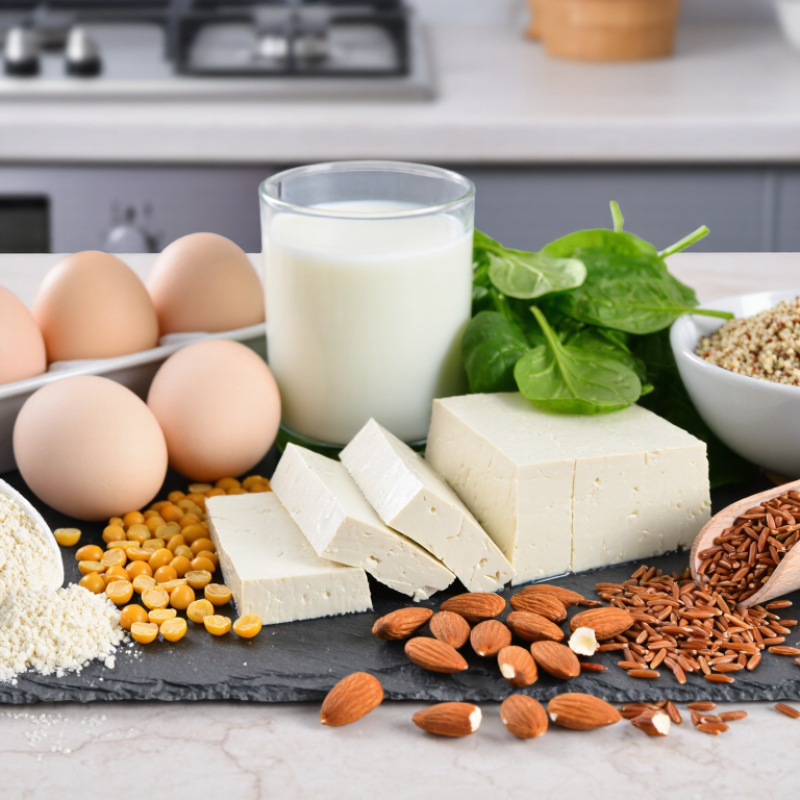
Protein enrichment ingredients are concentrated sources added to raise a food’s protein content, improve texture, or support satiety. The main options include whey, milk protein concentrate, casein, egg white, soy, pea, rice, potato, collagen peptides, and hemp protein. Each behaves differently in a formula. Whey disperses quickly in drinks, while casein thickens slowly. Egg white supports foaming, and potato protein can improve emulsification. Pea and soy provide useful plant-based protein, although their flavors may require careful processing.
Protein quality matters as much as the number on the label. The FAO and WHO reference value for healthy adults is about 0.83 grams of protein per kilogram of body weight daily, but needs vary by age, activity, and health status.
The 2024 OECD-FAO Agricultural Outlook also identifies continuing growth in demand for animal and plant protein foods through 2033. This growth encourages manufacturers to combine ingredients rather than rely on one source. Rice protein, for example, may complement pea protein’s amino acid profile. Useful, but not automatically perfect.
Manufacturers should assess digestibility, solubility, allergens, taste, and processing stability. A 20-gram serving can still feel disappointing if it settles like wet sand. Collagen peptides offer excellent solubility, yet they do not replace complete dietary proteins for every nutritional goal. The Global Food Research Program also stresses transparent nutrition communication, especially when consumers compare protein claims. Laboratory results are helpful. Real eating experience still matters. Temperature, acidity, and mixing time can change performance, so final products need testing under ordinary kitchen conditions.
Plant-Based Ingredients Among the Top 10 Protein Enrichers
What Are the Top 10 Protein Enrichment Ingredients?
Plant-based ingredients now play a major role in protein enrichment. In product development, I assess protein content, digestibility, texture, flavor, and processing stability. A high number alone does not guarantee a useful ingredient.
The leading ten plant-based options include pea, soy, rice, hemp, pumpkin seed, chickpea, lentil, fava bean, oat, and potato protein. Pea protein offers a neutral profile and works well in beverages and baked foods. Soy provides a complete amino acid profile, although some consumers avoid it because of allergies or dietary preferences. Rice protein is mild but can feel dry. Hemp adds fiber and a nutty note. Pumpkin seed protein brings minerals and deeper flavor. Chickpea, lentil, and fava bean proteins support creamy textures, yet they may introduce earthy aromas. Oat protein blends smoothly, while potato protein can improve foaming and structure.
Texture still matters. Very much. During small kitchen trials, I have found that combining pea with rice protein often creates a smoother bite than using either ingredient alone. However, results change with particle size, hydration time, heating, and sweetener choice. This is where formulation experience becomes important. Some blends look excellent on paper but taste chalky in practice. Protein quality also deserves attention, including amino acid balance and realistic serving sizes. Clear labeling and controlled testing help manufacturers make dependable claims without overstating benefits.
Dairy and Animal-Based Ingredients in Protein Enrichment
Protein enrichment depends on the product format, serving size, and consumer needs. In dairy applications, whey protein concentrate, whey protein isolate, casein, milk protein concentrate, and milk protein isolate are widely used. They support different textures and digestion rates. Whey usually disperses quickly in shakes and cultured drinks. Casein creates a thicker, slower-digesting structure. Milk protein ingredients provide both casein and whey in one system.
Animal-based options extend beyond dairy. Skim milk powder can add protein, lactose, and a familiar creamy taste. Egg white protein offers a clean protein profile and useful foaming properties. Collagen peptides dissolve easily in beverages and may suit clear formulations. Beef protein isolate can increase protein content without dairy ingredients. Gelatin adds protein while improving gel strength and mouthfeel. Each ingredient behaves differently.
Small trials matter.
In practical development, I check solubility at the actual processing temperature, not only in laboratory water. I also examine sediment after refrigeration, because a smooth drink can separate overnight. Heat may damage texture or create cooked flavors. Mineral levels can change stability as well. These details are often underestimated. Dairy and egg ingredients require clear allergen controls and reliable supplier documentation. Animal-derived materials also need verified sourcing, traceability, and suitable dietary declarations. A higher protein number does not automatically create a better product. Taste, texture, digestibility, and consumer expectations still decide whether the formula works.
Comparing Protein Quality, Nutrition, and Processing Performance
Protein enrichment ingredients should be judged by more than grams per serving. The leading ten are whey, milk, egg, soy, pea, potato, fava bean, rice, wheat, and collagen. FAO’s 2013 protein-quality report recommends DIAAS, which measures digestible essential amino acids. Dairy and egg proteins generally score above 1.00, while soy approaches 1.00. Pea and potato perform strongly, but their scores vary by cultivar and processing. Rice and wheat usually score lower because lysine is limited. Collagen is useful for texture, yet it lacks tryptophan and should not be treated as a complete protein.
Nutrition also changes with processing. USDA FoodData Central records broad differences in protein, iron, fiber, and fat across these ingredients. Concentration can improve protein density, but heat may reduce solubility or alter amino-acid availability.
Extrusion can create a firm bite from pea, fava, or wheat protein. Wet processing often gives smoother beverages, especially with dairy proteins. Potato protein can foam well, although its supply remains less consistent. Hemp adds fiber and minerals, but its earthy flavor needs careful formulation.
Function matters on the factory floor. Whey and milk proteins support emulsification and creamy mouthfeel. Egg proteins gel effectively during heating. Soy offers strong water binding, while rice may create chalkiness. These observations align with formulation experience, but they are not universal. The ranking is not absolute. FAO’s framework also warns that protein quality depends on the whole diet, not one isolated ingredient. A product can show excellent laboratory scores and still fail in a glass, bar, or baked matrix. That caveat matters.
Selecting the Right Protein Enrichment Ingredient for Each Application
What Are the Top 10 Protein Enrichment Ingredients?
Selecting the right protein enrichment ingredient starts with the application, not the label claim. The main options include whey, milk protein, casein, egg protein, soy, pea, rice, hemp, collagen, and potato protein. Each behaves differently in food and beverage systems. Whey dissolves well in shakes and supports a clean dairy profile. Casein thickens slowly, making it useful for puddings and meal replacements. Egg protein can create structure in baked products, while soy offers a balanced amino acid profile and strong emulsification.
Plant proteins require closer testing. Pea protein suits dairy-free drinks, but it may bring earthy notes and sediment. Rice protein is gentler in flavor, though its texture can feel dry. Hemp adds a distinct taste and fiber, which may not suit delicate formulas. Potato protein can improve foaming, but supply and processing conditions need verification. Collagen dissolves easily and works in powders or beverages, yet it is not a complete protein. That difference matters.
Practical selection should examine solubility, heat stability, pH tolerance, viscosity, allergen status, and sensory impact. In a high-acid drink, test for sediment after refrigeration and shaking. In a protein bar, check hardness after several weeks, not only on day one. A higher protein number is not always better. I have seen formulas lose consumer acceptance because the texture became chalky. Small pilot batches, independent testing, and clear supplier documentation reduce that risk. The best ingredient is the one that performs reliably in its final application.
What Are the Top 10 Protein Enrichment Ingredients?
Selecting the right protein enrichment ingredient depends on protein density, formulation goals, taste, solubility, allergen considerations, and the target application.
The chart compares typical protein content per 100 g of ingredient and is ranked by approximate protein concentration. Values are representative industry ranges and may vary by grade, processing method, moisture content, and supplier specification. Collagen peptides are highly concentrated but are not a complete protein source.
FAQS
They are concentrated protein sources added to foods and drinks. They can increase protein content, improve texture, or support fullness.
Whey and milk protein usually disperse smoothly. Casein thickens more slowly, while rice protein may leave a chalky sensation.
No. Protein quality depends on digestible essential amino acids, not only grams per serving. Dairy, egg, soy, pea, and potato can perform strongly.
Some plant proteins have limiting amino acids. Combining pea and rice protein may create a more balanced amino acid profile.
No. Collagen peptides dissolve easily and may support texture, but they lack tryptophan. They should not replace complete proteins for every goal.
Heat can reduce solubility or change amino acid availability. Extrusion creates a firm bite, while wet processing often produces smoother drinks.
They should test digestibility, solubility, taste, allergens, and stability. Testing should include normal kitchen conditions, not only laboratory equipment.
A twenty-gram serving may settle like wet sand. Flavor, thickness, mixing time, and temperature can decide whether consumers enjoy it.
Egg protein can foam and gel during heating. Potato protein may improve emulsification, while soy supports water binding.
No single ingredient wins every formula. A laboratory score may look excellent, yet the finished drink can still taste dusty or separate.
Conclusion
Protein Enrichment Ingredients are specialized sources used to increase the protein content, nutritional value, texture, and functionality of foods and beverages. The top options include plant-based ingredients such as pea, soy, rice, hemp, and fava bean proteins, as well as dairy and animal-based ingredients such as whey, milk protein, casein, egg, and collagen. Each source offers a distinct balance of amino acids, digestibility, flavor, solubility, and processing performance.
Choosing the right ingredient depends on the product’s nutritional goals, target consumers, taste expectations, processing conditions, and desired texture. Plant proteins may support vegetarian and sustainability-focused products, while dairy and animal-based proteins can provide strong nutritional quality and excellent functionality in many applications. By comparing protein quality, allergen considerations, formulation compatibility, and cost, manufacturers can select the most suitable ingredient for products such as beverages, nutrition bars, baked goods, dairy alternatives, and functional foods.